
عَبْدُ الرَّحْمَنِ السَّيِّدُ يَفُوزُ بِمَقْعَدٍ فِي مَجْلِسِ الشُّيُوخِ الْأَمْرِيكِيِّ
Abdul El-Sayed defeated Mike Rogers in Michigan’s November 3 Senate election. He is set to become the first Muslim elected to the U.S. Senate.
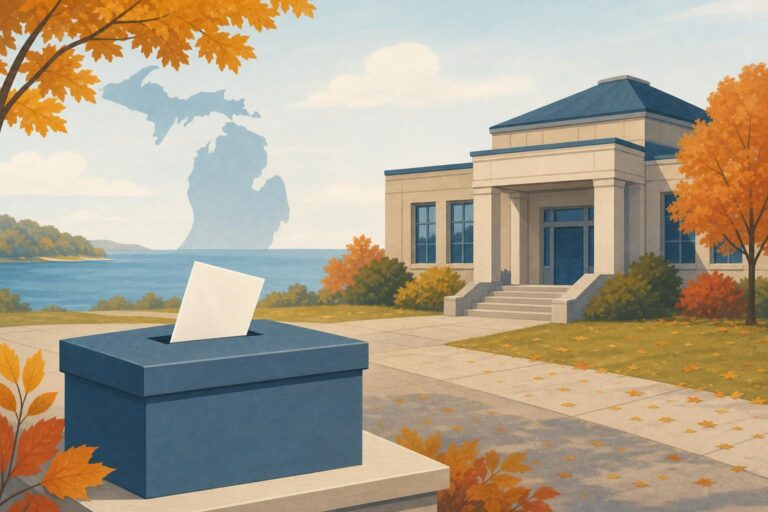
Abdul El-Sayed defeated Mike Rogers in Michigan’s November 3 Senate election. He is set to become the first Muslim elected to the U.S. Senate.

A federal judge rejected the Trump administration’s request to set aside ballots associated with about 20,000 California voters whose citizenship it questioned. The administration said it would appeal.

Libya formally protested remarks made by US President Donald Trump after an election rally in Georgia. Trump later praised Libyans and said the United States supports Libya’s unity and national elections, but his message did not include an explicit apology.

Mahmoud Abbas set September 11, 2027, for presidential and legislative elections to take place together. The decree replaces a legislative vote scheduled for November 28, 2026, amid reported obstacles and calls for guarantees against another delay.
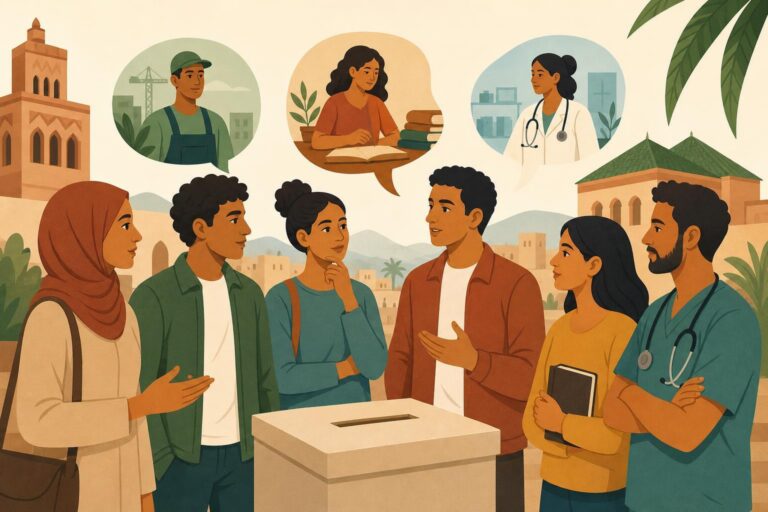
Morocco will elect 395 members of the House of Representatives on September 23, 2026. Young people are focusing on employment, education, healthcare, and stronger participation in politics.
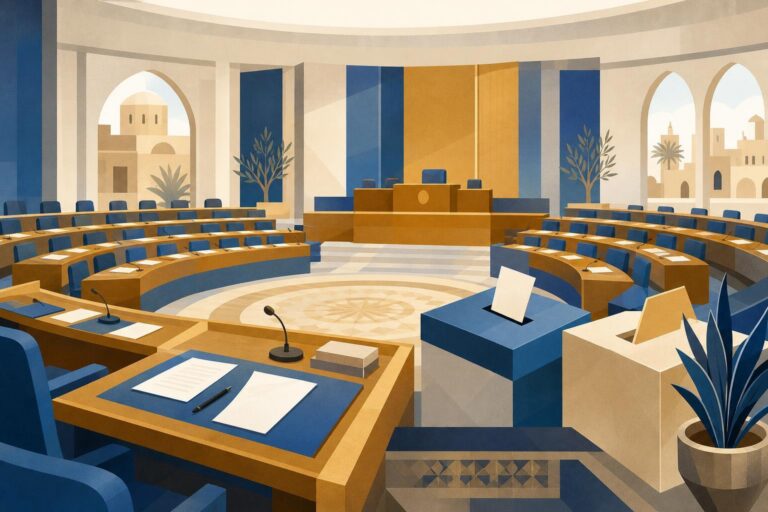
Libya’s House of Representatives adopted the final 4+4 committee agreement in Benghazi on September 14, 2026. Boycotting lawmakers questioned whether enough members were present for a legal quorum.
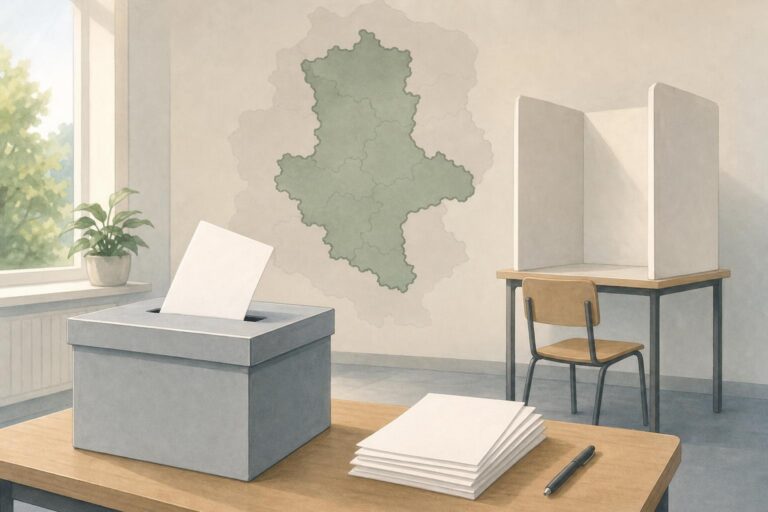
Alternative for Germany won 43.8 percent of votes in Saxony-Anhalt’s state election and became the largest party in the parliament. It remains three seats short of an absolute majority, while talks over a new state government are uncertain.
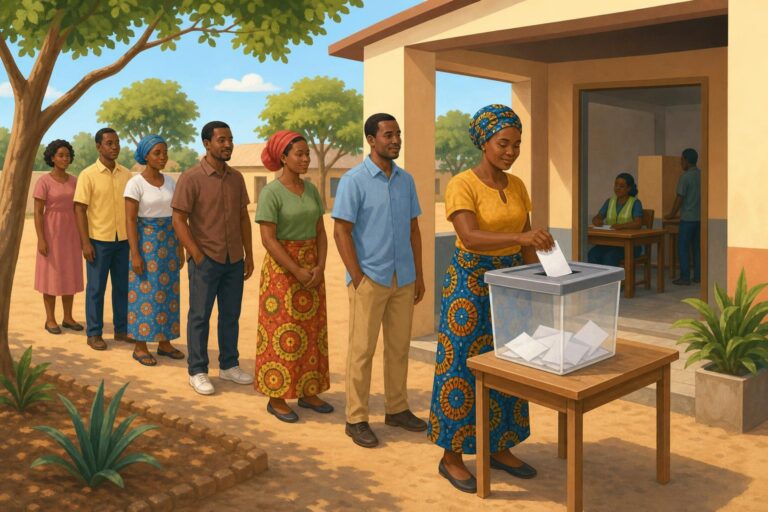
Zambians voted on August 13 in elections for president, Parliament and local councils. Prices, electricity and employment were important issues for many voters.
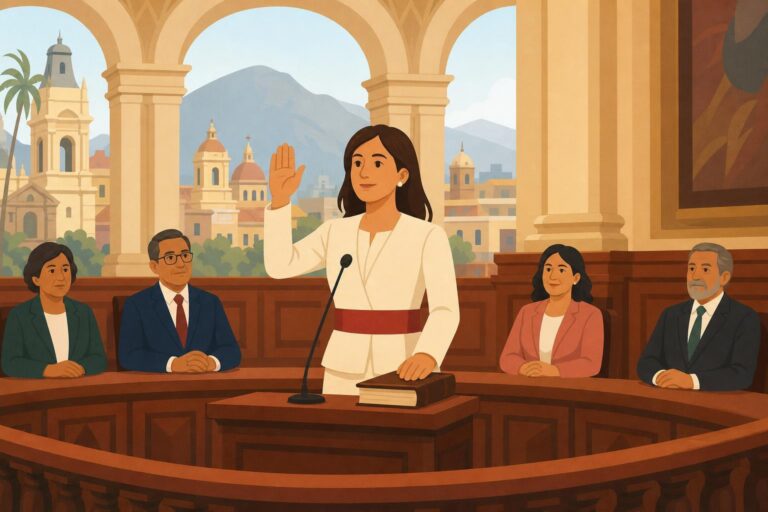
Keiko Fujimori took office on July 28, 2026, becoming the first woman directly elected president of Peru. She won a close June runoff against Roberto Sánchez.

The Arab League reaffirmed its support for a Libyan-led political process that seeks to unify state institutions and hold national elections. A recent UN-facilitated dialogue also produced more than 525 recommendations for Libya’s political future.