
فُسَيْفِسَاءُ قَدِيمَةٌ تُقَدِّمُ دَلِيلًا نَادِرًا عَلَى حُكْمِ الْوَنْدَالِ فِي تُونُسَ
Archaeologists working at ancient Numluli in Tunisia uncovered a fifth-century church and mosaic inscriptions that may offer rare evidence of Vandal rule in the region.
Listen to the Article
This audio was generated using an AI voice.
فُسَيْفِسَاءُ قَدِيمَةٌ تُقَدِّمُ دَلِيلًا نَادِرًا عَلَى حُكْمِ الْوَنْدَالِ فِي تُونُسَ
كَشَفَتْ حَفْرِيَّاتٌ جَدِيدَةٌ فِي مَدِينَةِ نُومْلُولِي الْقَدِيمَةِ عَنْ مَعْلَمٍ مُهِمٍّ مِنْ تَارِيخِ تُونُسَ. وَيَقَعُ الْمَوْقِعُ فِي هَنْشِيرِ الْمَاطِرِيَّةِ، شَمَالَ تَبْرَسُقَ فِي وِلَايَةِ بَاجَةَ. وَأَعْلَنَ الْمَعْهَدُ الْوَطَنِيُّ لِلْتُّرَاثِ فِي تُونُسَ نَتَائِجَ الْحَفْرِيَّاتِ الَّتِي جَرَتْ مِنْ سِتَّةِ سِبْتَمْبَرَ إِلَى الرَّابِعِ مِنْ أُكْتُوبَرَ.
وَفِي أَحَدِ أَجْزَاءِ الْمَوْقِعِ، دَرَسَ الْفَرِيقُ مَعْبَدَ الْكَابِيتُولِ الرُّومَانِيَّ، الَّذِي بُنِيَ سَنَةَ مِئَةٍ وَسَبْعِينَ لِلْمِيلَادِ. وَعَثَرَ الْبَاحِثُونَ عَلَى أَجْزَاءٍ مِنْ سَاحَةٍ عَامَّةٍ، وَنَافُورَةٍ، وَأَعْمِدَةٍ، وَقِطَعٍ مِنْ تَمَاثِيلَ. وَتُسَاعِدُ هٰذِهِ الْآثَارُ عَلَى فَهْمِ حَيَاةِ الْمَدِينَةِ فِي الْعَهْدِ الرُّومَانِيِّ.
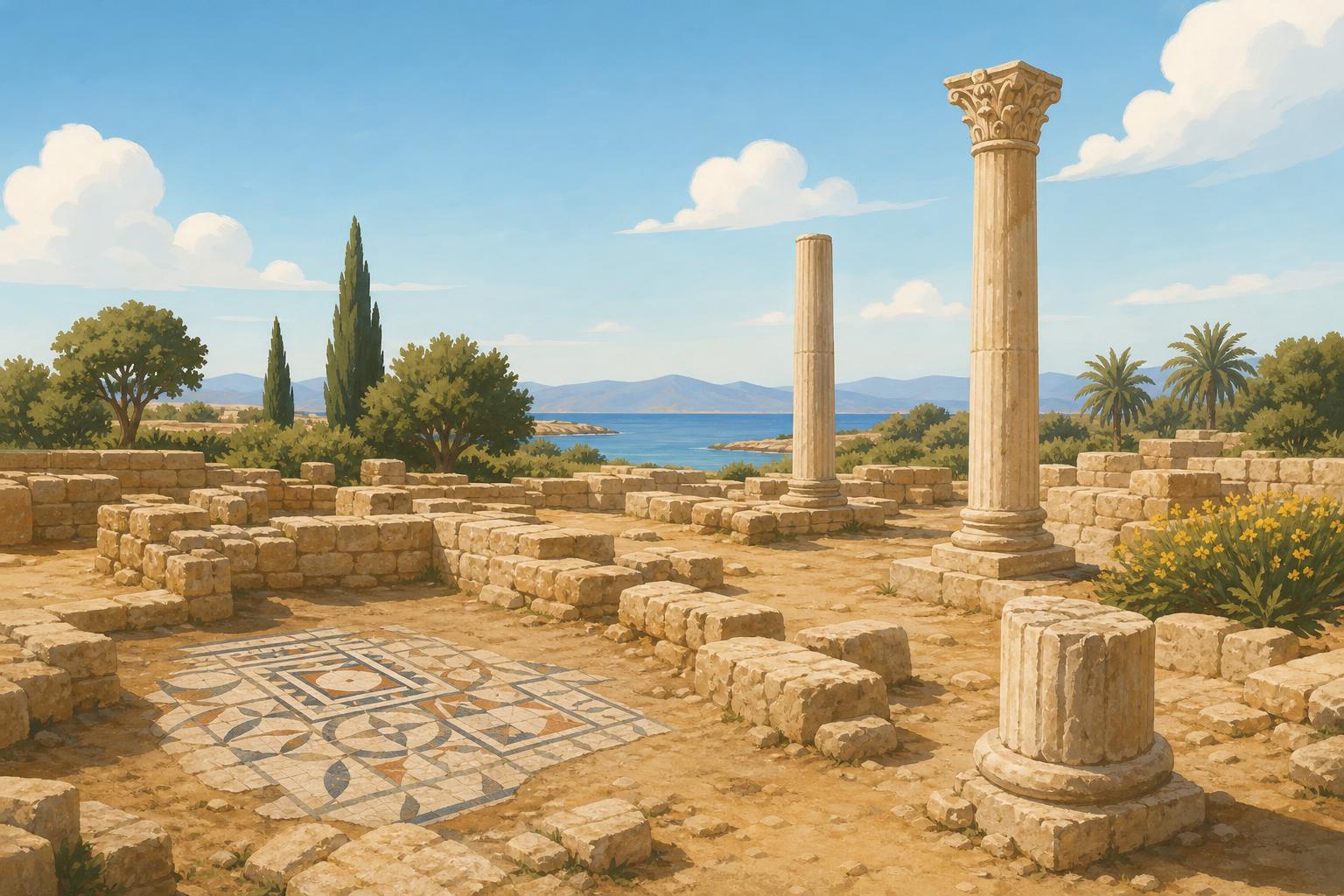
وَفِي جُزْءٍ آخَرَ، وَجَدَ الْفَرِيقُ كَنِيسَةً كَبِيرَةً بُنِيَتْ فِي مُنْتَصَفِ الْقَرْنِ الْخَامِسِ. وَظَهَرَتْ فِيهَا قُبُورٌ وَلَوْحَاتٌ مِنَ الْفُسَيْفِسَاءِ، بَعْضُهَا يَحْمِلُ كِتَابَاتٍ قَدِيمَةً. وَيَرَى بَاحِثُونَ أَنَّ إِحْدَى الْكِتَابَاتِ تُشِيرُ إِلَى مُلُوكِ الْوَنْدَالِ، مَعَ أَنَّ أَسْمَاءَهُمْ لَا تَظْهَرُ فِيهَا.
وَحَكَمَ الْوَنْدَالُ أَجْزَاءً مِنْ شَمَالِ إِفْرِيقِيَا فِي الْقَرْنِ الْخَامِسِ. لِذٰلِكَ تُعَدُّ هٰذِهِ الْكِتَابَاتُ دَلِيلًا نَادِرًا عَلَى وُجُودِهِمْ فِي هٰذِهِ الْمِنْطَقَةِ. وَيُشَارِكُ بَاحِثُونَ وَطَلَبَةٌ مِنْ تُونُسَ وَإِيطَالِيَا فِي دِرَاسَةِ الْمَوْقِعِ وَتَارِيخِهِ.
Show English Translation
Ancient Mosaics Offer Rare Evidence of Vandal Rule in Tunisia
New excavations at the ancient city of Numluli have revealed an important part of Tunisia’s history. The site is at Henchir Matria, north of Teboursouk in Béja Governorate. Tunisia’s National Heritage Institute announced the excavation findings after work carried out from September 6 to October 4.
In one part of the site, the team studied the Roman Capitol temple, built in 170 CE. Researchers found parts of a public square, a fountain, columns, and pieces of statues. These remains help explain what life was like in the city under Roman rule.
In another part, the team found a large church built in the middle of the fifth century. Graves and mosaic panels appeared inside it, some bearing ancient inscriptions. Researchers believe one inscription refers to Vandal kings, although their names do not appear in it.
The Vandals ruled parts of North Africa in the fifth century. These inscriptions are therefore considered rare evidence of their presence in the area. Researchers and students from Tunisia and Italy are taking part in the study of the site and its history.
Key Vocabulary
| Arabic | Part of speech | English |
|---|---|---|
| حَفْرِيَّاتٌ | noun | excavations |
| مَعْلَمٌ | noun | site; landmark |
| مَعْبَدٌ | noun | temple |
| نَافُورَةٌ | noun | fountain |
| أَعْمِدَةٌ | noun | columns |
| كَنِيسَةٌ | noun | church |
| قُبُورٌ | noun | graves |
| فُسَيْفِسَاءُ | noun | mosaic |
| كِتَابَاتٌ | noun | inscriptions; writings |
| دَلِيلٌ | noun | evidence |
Sources
- ANSAmed: Scavi archeologici a Béja rivelano nuovi indizi sulla presenza vandala
- Tuniscope: اكتشافات أثرية جديدة في باجة: كنيسة ومعبد…شنوّة الحكاية؟
- Tunisie Numérique: Teboursouk – Numluli livre de nouveaux secrets : fontaine, mosaïques et vestiges antiques découverts
This learner article is an original summary based on the sources above. The featured image is an AI-generated editorial illustration.
Your weekly Arabic news roundup
Sign up for the weekly Arabic digest. You can unsubscribe at any time. Privacy policy.
If the signup form does not appear, open the Arabic signup form (opens in a new tab).